Xreal’s AI Display Glasses Make Your Normal Videos Look 3D — And That’s Actually Useful
AR glasses have been “the future” for about ten years now… but most of them felt like demos, not something you’d actually use every day. Too fiddly. Too expensive. Not enough real-world benefit.
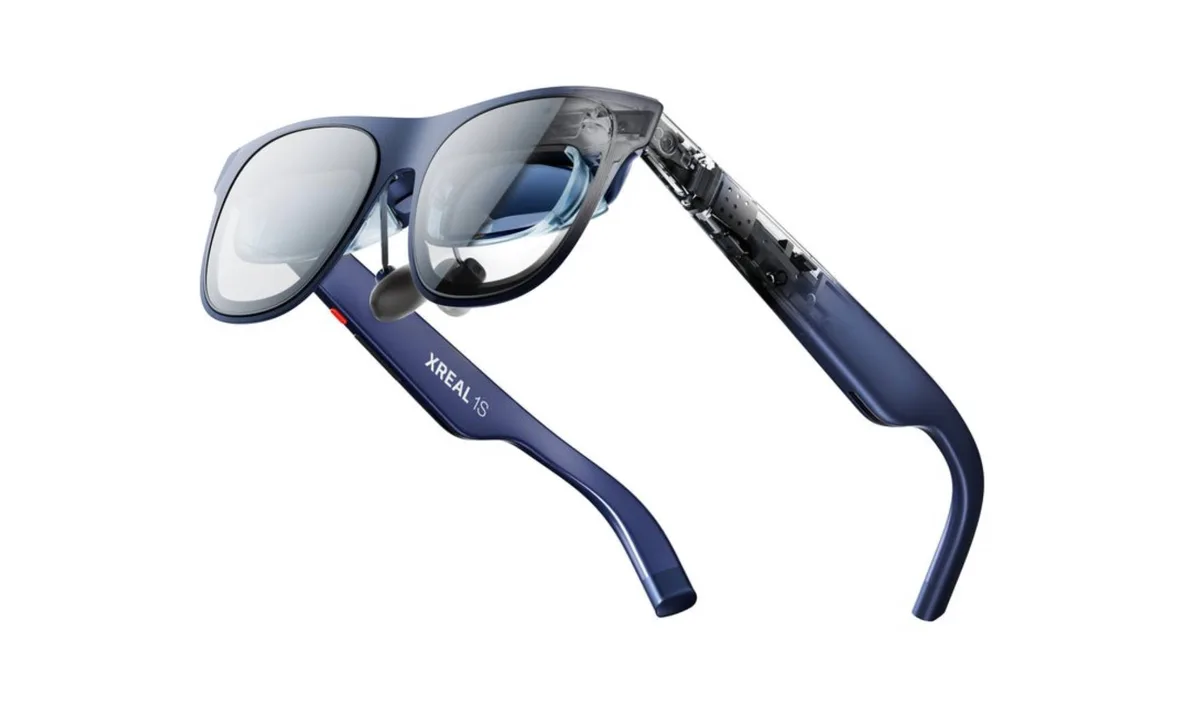
Xreal’s latest update is interesting because it finally focuses on the thing people actually want:
A big screen you can take anywhere — without a chunky headset.
And the killer feature? These display glasses can take normal 2D content: photos, videos, and even games and instantly convert it into a 3D experience. No special 3D movie versions. No extra apps. Just… suddenly your regular content has depth. Xreal calls it “Real 3D.”
What do the Xreal 1S AR Display Glasses do
You plug them into your phone/laptop/handheld console, and they create a big virtual screen in front of your eyes, kind of like sitting in front of a huge TV.
But instead of needing a TV…
• you can be on a plane
• in a hotel room
• on the couch while someone else watches TV
• commuting
• lying in bed
And you’ve got your own private big-screen setup.
This is why display glasses are way more practical than full AR/VR headsets. And They aren’t trying to put you into a metaverse, thank goodness! They’re just trying to make Netflix, YouTube and gaming better.
The “AI” part: what Real 3D is doing
Real 3D is basically Xreal saying:
“Why wait for creators to make 3D content when we can convert it for you?”
So the glasses take:
• a normal video
• a normal photo
• a normal game
…and create a 3D version instantly. That’s CRAZY right!
And importantly: this isn’t some cloud thing where your content gets uploaded somewhere. The glasses include an onboard spatial chip (called the X1) that handles the conversion inside the device, which is why it can be real-time and low-latency.
That matters more than people realise, because with AR glasses:
• if latency is bad, it feels weird
• if the “screen” drifts, you get eye strain
• if movement isn’t smooth, it’s nauseating
The X1 chip is there to make the whole thing feel stable and comfortable.
Why you should care?
Here’s what makes this idea genuinely appealing:
1) It upgrades content you already watch
You don’t need special 3D movies. You don’t need to go searching for “spatial content.” You just watch your normal stuff — and it looks more immersive.
That is exactly how new tech gets adopted: when it doesn’t require you to change your behaviour.
2) It’s a travel cheat code
If you fly a lot, this is kind of perfect. A laptop screen on a plane is sad. These glasses can feel like watching a big screen in your own space.
3) Gaming gets way better instantly
Handheld gaming is having a moment. Imagine playing your handheld on what feels like a cinema-sized screen, not a little 7-inch display.
4) It’s lighter than VR
VR headsets are awesome for 20 minutes. Then they’re heavy, sweaty, and isolating.Display glasses sit in the sweet spot: immersive but practical.
Specs that matter (no nerd overload)
Xreal’s updated glasses improve the main stuff you actually notice:
• higher resolution (1200p per eye vs 1080p previously)
• brighter image (up to ~700 nits)
• wider field of view (~52 degrees)
In other words: clearer, brighter, more immersive.
And the price reported is around US$449, which makes it feel like a realistic early adopter purchase, not a “luxury tech flex.”
What we think?
This is the best kind of AI hardware: not “look what AI can do”, but “here’s something you’ll actually use.”
If Xreal’s Real 3D conversion looks as good in practice as it sounds, this could be the first time AR display glasses feel like they’re moving from novelty to genuinely useful everyday tech.
Not because it’s futuristic…but because it makes watching and gaming better right now, with the content you already have.