Google has announced its return to the smart glasses market more than a decade after the failure of Google Glass. Revealed during the company’s annual developer conference in Mountain View, California, the new AI-powered glasses are expected to launch in autumn and are designed to integrate Google’s Gemini artificial intelligence assistant into everyday life.
The glasses feature small cameras embedded in the frames and speakers built into the arms, allowing users to interact with Gemini through audio rather than a visible display. Google says the product is intended to help users remain “hands free and heads up,” enabling more seamless access to information and AI assistance throughout the day. The glasses will work with both Android and Apple iOS devices.
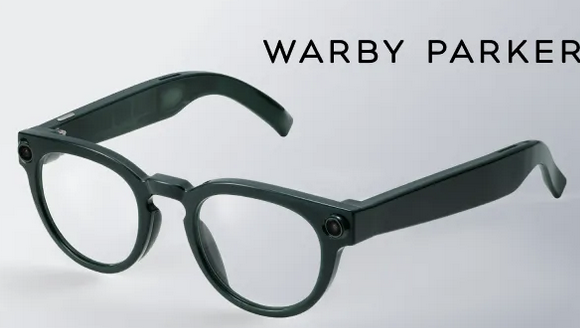
Google also revealed it is developing a more advanced version featuring in-lens displays capable of showing text and visual information directly to the wearer. However, those display-enabled glasses are not yet ready for release. Developers are already working on applications for future versions.
The launch represents a major strategic re-entry into wearable technology after the original Google Glass was withdrawn in 2015 following criticism over privacy concerns, limited functionality, and high pricing. Similar privacy concerns are already emerging again, particularly as Meta’s Ray-Ban smart glasses have become increasingly popular. Critics warn that people are often unknowingly recorded in public or private spaces.
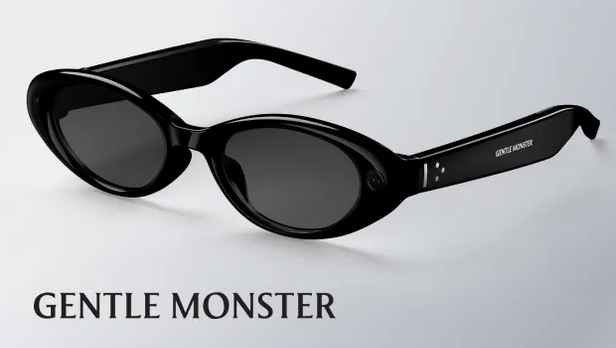
Competition in the smart glasses market is intensifying. Meta has reportedly sold seven million pairs of its AI glasses, while Snap and Apple are also preparing new wearable products. Investors and developers attending Google’s conference viewed the move positively, describing smart glasses as a potential successor to smartphones and an important new computing platform.
Developers also see opportunities to integrate services such as maps, voice assistants, and event discovery directly into wearable AI experiences.