Imagine a pair of glasses that do more than correct your vision or shield you from the sun—they listen, talk, assist and stay with you all day. That’s precisely what Sesame is aiming for: wearable AI that becomes part of your day. According to their website, Sesame’s vision is “bringing the computer to life” — where devices see, hear and collaborate with us as we collaborate with each other.
Conversational-first AI
Sesame isn’t just about wearables — it’s about a wearable with a truly human-style voice companion. Sesame’s demo voices “Maya” and “Miles” have already engaged over 1 million users and more than 5 million minutes of conversation. The company claims its voice engine “generates speech directly, capturing the rhythm, emotion and expressiveness of real dialogue.”
All-day wearable design
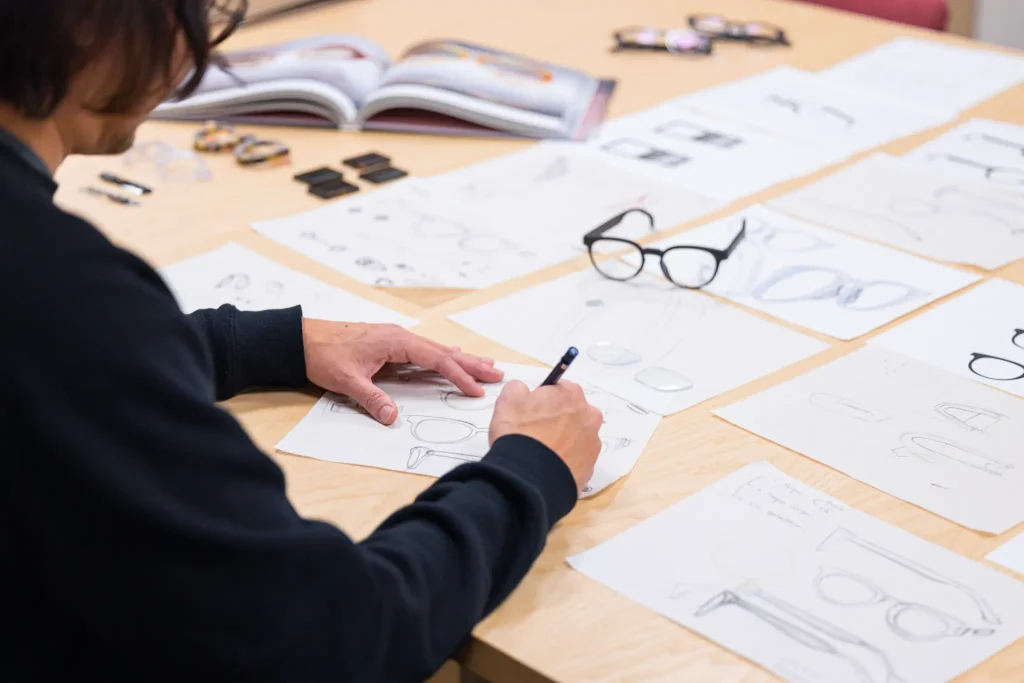
One of the main hurdles for smart glasses has always been comfort, style and discretion. Sesame emphasises a “lightweight eyewear … designed to be worn all day, giving you high-quality audio and convenient access to your companion who can observe the world alongside you.” The message: the glasses should look like something you’d wear even if the AI features weren’t on.
Context-aware assistant
Beyond just voice commands, Sesame’s ambition is for the glasses to “observe the world alongside you” — to be aware of your surroundings and offer help in the moment.
Strong backing & hardware pedigree
With a Series B funding round of US $250 million led by major investors such as Sequoia Capital and Spark Capital, Sesame has the financial muscle and team experience (from the former Oculus hardware team) to execute.
Why it matters (especially for Australia)
- Hands-free convenience: For daily commutes, walking, cooking or multitasking, the glasses could reduce reliance on phones.
- Accessibility potential: People with visual or mobility challenges may find voice-first wearables more intuitive than screens.
•Design and style: If the product looks good and feels comfortable, adoption may rise faster. - Next-gen interface paradigm: Moving beyond screens and taps, towards voice + ambient awareness may be the future of personal computing—especially for mobile-first users (such as many in Australia).
What the challenges are?
- Privacy & social acceptability: Wearables that “observe the world” raise concerns—what is being recorded? How is data handled? Past devices (eg. Google Glass) suffered from social push-back. Sesame recognises this risk.
- Hardware & battery constraints: High-quality audio + always-on AI + wear-all-day comfort is a demanding mix.
- Software ecosystem: Hardware alone isn’t enough. It’ll need apps, integrations and a strong ecosystem to deliver value.
- Pricing & readiness: A premium wearable carries premium cost. And with hardware still under development, timing and value proposition will matter. Sesame admits “hardware takes time.”
In the race to redefine personal computing, Sesame may be among the front-runners. With heavyweight hardware expertise, significant funding and a strong focus on wearability + conversational AI, their smart glasses concept ticks many boxes.
Whether they hit it out of the park will depend on execution: style, comfort, usefulness, privacy and price. For Australian readers curious about the next wave of wearables, this is one to watch.